
Schematic & Concept Design
Schematic design is where your project begins to take shape. At Dadirri Architects, our schematic design and concept design process translates your brief, your site, and your aspirations into spatial options you can see, compare, and refine. This is the stage where big decisions are tested, where layout, orientation, and form are explored, and where your architect concept becomes a clear design direction.
Whether you are planning a new home, renovation, or multi-residential development in Melbourne, our schematic design service gives you the confidence to move forward knowing the design responds to your site, your budget, and your planning context.
What Is Schematic & Concept Design?
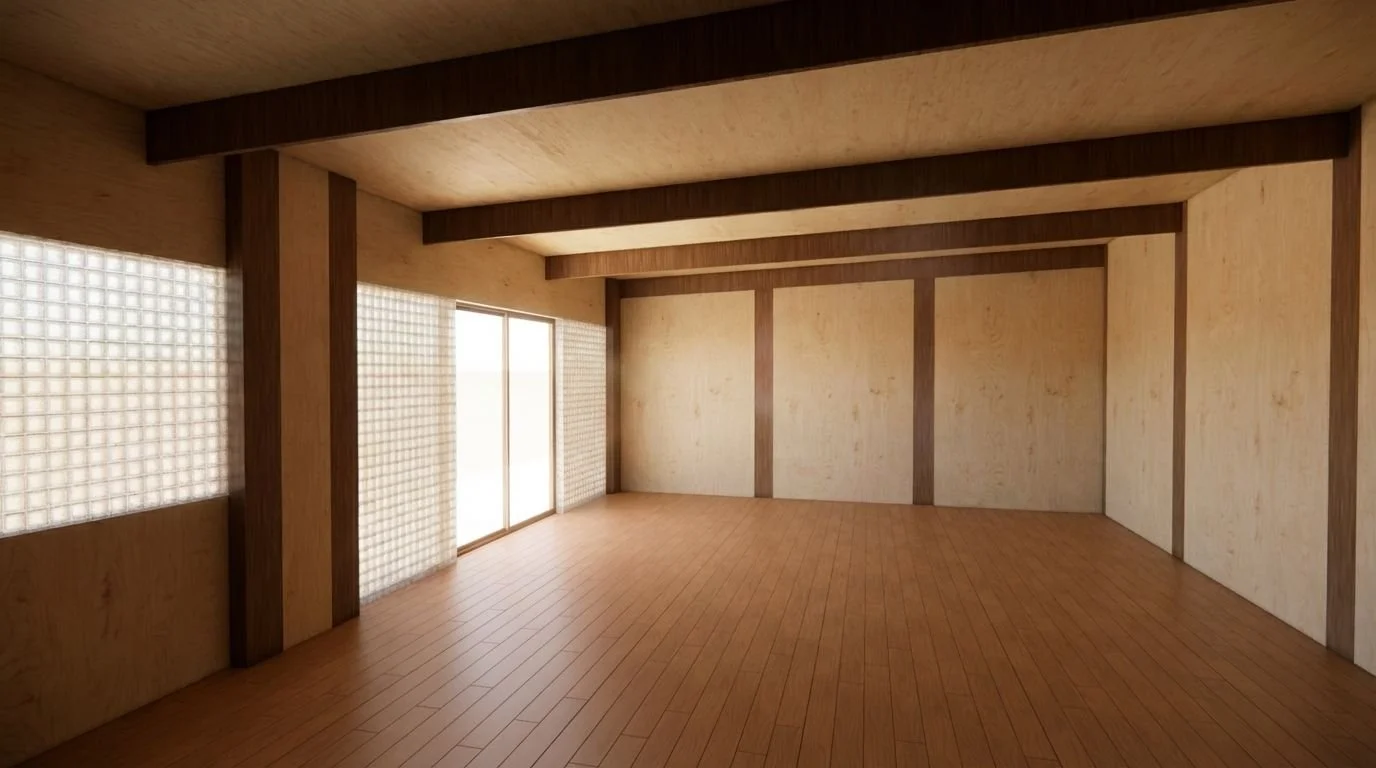
Schematic design is the earliest design phase in an architectural project. It involves developing preliminary plans and sometimes 3D models that respond to your brief, your site, and the relevant planning controls. Concept design sits within this phase, exploring spatial ideas, massing, and material directions before committing to a single scheme.
At this stage, architecture concept design is about possibilities. We test multiple layouts and approaches so you can understand the trade-offs between cost, amenity, and buildability. Our schematic design process is collaborative and iterative, ensuring you are part of every key decision.
When You Need Schematic Design
You need schematic design when you have a site and a brief but have not yet resolved what the building should look like or how it should be arranged. This applies whether you are starting from scratch on a vacant site, planning an extension or renovation to an existing home, exploring multi-dwelling options on a larger lot, or testing whether a particular design approach is feasible within your budget.
Schematic design is also the right starting point if you have completed a feasibility study and are ready to translate those findings into a design direction.
Concept Options & Design Direction
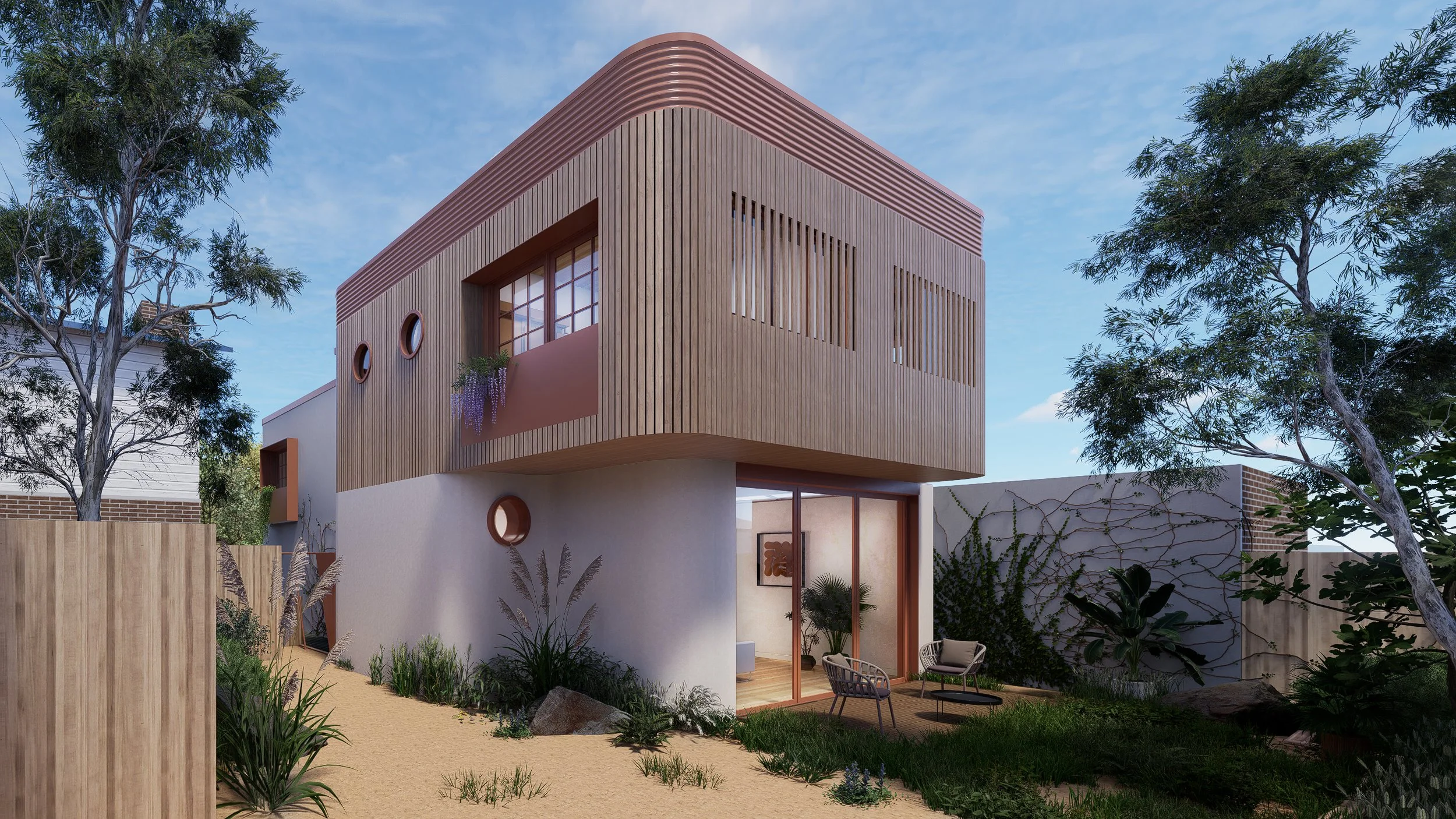
We typically develop two to three concept design options for your project. Each option explores a different approach to layout, orientation, or form, allowing you to compare outcomes and identify what resonates with your lifestyle and budget.
Options may include an architectural schematic diagram showing room relationships and circulation, preliminary floor plans at scale, simple 3D views or physical models to help you visualise spatial quality, and notes on how each architect concept responds to planning constraints, solar access, and sustainability.
Once you select a preferred direction, we refine the architecture concept design into a resolved scheme ready for the next phase.
Planning & Site Constraints
Every schematic design must respond to the planning framework. We review zoning, overlays, neighbourhood character, overlooking, overshadowing, and access requirements at the outset. This ensures the concept design is grounded in what can actually be approved.
For sites with heritage overlays, vegetation protection, or complex topography, we identify constraints early and design around them. Our architecture concept design process treats planning requirements as design inputs rather than obstacles to be managed later.
What You'll Receive
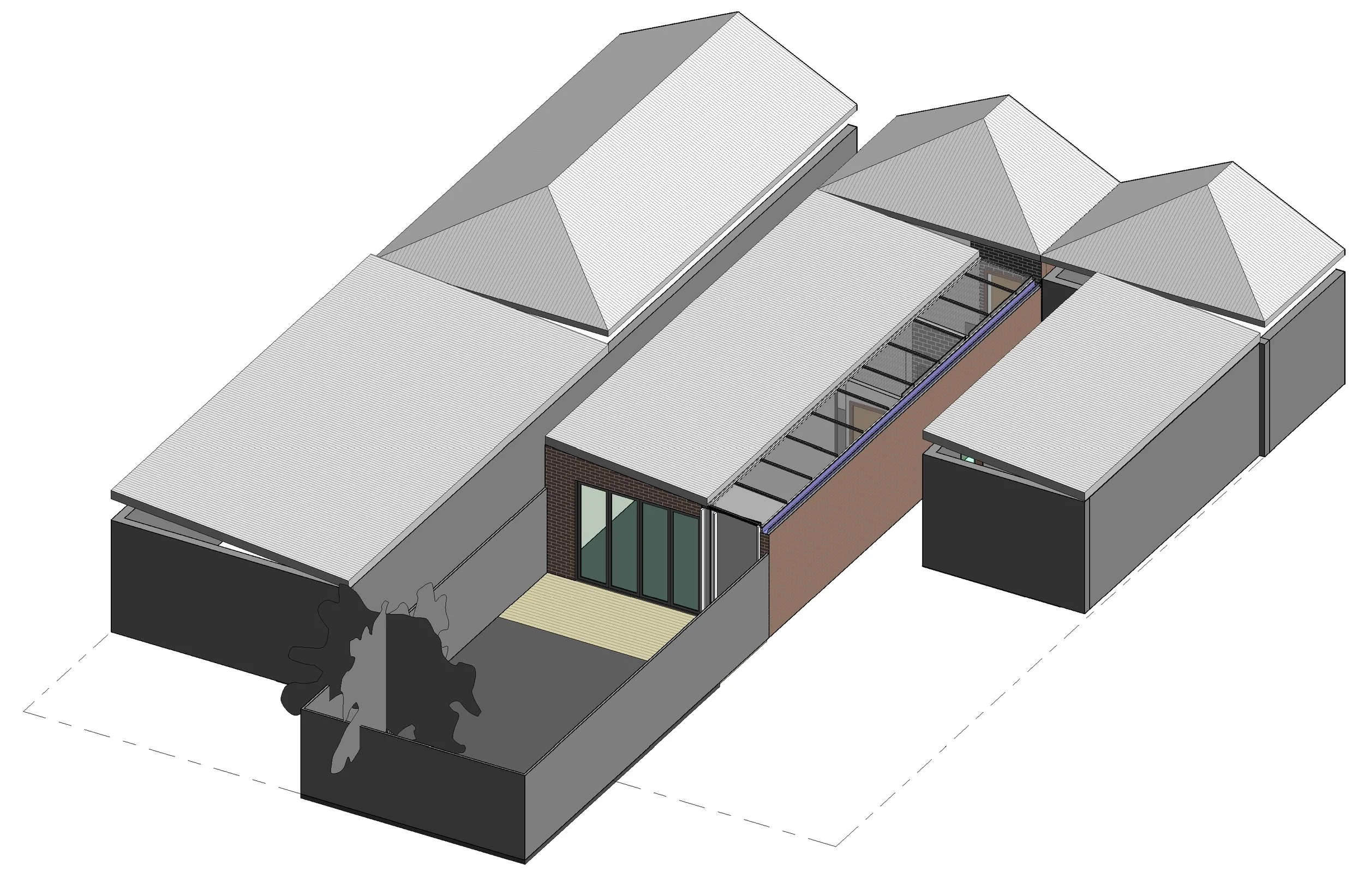
Our schematic design deliverables typically include preliminary floor plans, roof plans, and key sections, site plans showing the building in context, three-dimensional views or models illustrating spatial quality, an architectural schematic diagram of spatial relationships, a summary of planning considerations and likely approval pathways, a preliminary sustainability strategy, and a design report documenting the brief, site analysis, and design rationale.
These documents form the foundation for design development, planning applications, and early conversations with builders or quantity surveyors about cost.
Typical Timelines
Schematic design typically takes two to four weeks for a residential project in Melbourne. The timeline depends on project complexity, the number of concept design options explored, and client decision-making pace. Simpler projects (such as a single-storey extension) may be completed in one to two weeks. Larger or more complex projects may take eight to twelve weeks.
We will provide a clear programme at the outset so you know what to expect at each stage of the schematic design process.
Frequently Asked Questions
-
A feature and level survey is recommended for accuracy, though we can begin concept design using title plans and aerial imagery if needed.
-
Schematic design explores options and establishes the design direction. Design development refines the chosen scheme, resolves structure and services, and prepares for documentation.
-
Yes. Visual references help us understand your aesthetic preferences and we use them alongside the brief and site analysis to inform our architect concept options.
-
Our schematic design fee typically includes two to three rounds of revisions. Additional rounds can be accommodated and are discussed at the outset.
-
Once you approve the schematic design, we move into design development where structure, services, materials, and budget are resolved in more detail.
Let’s Start Your Schematic Options
If you have a brief and a site, we are ready to explore what is possible. Book a concept consult and we will discuss your goals, your budget, and how our schematic design process can turn your ideas into a clear design direction.