
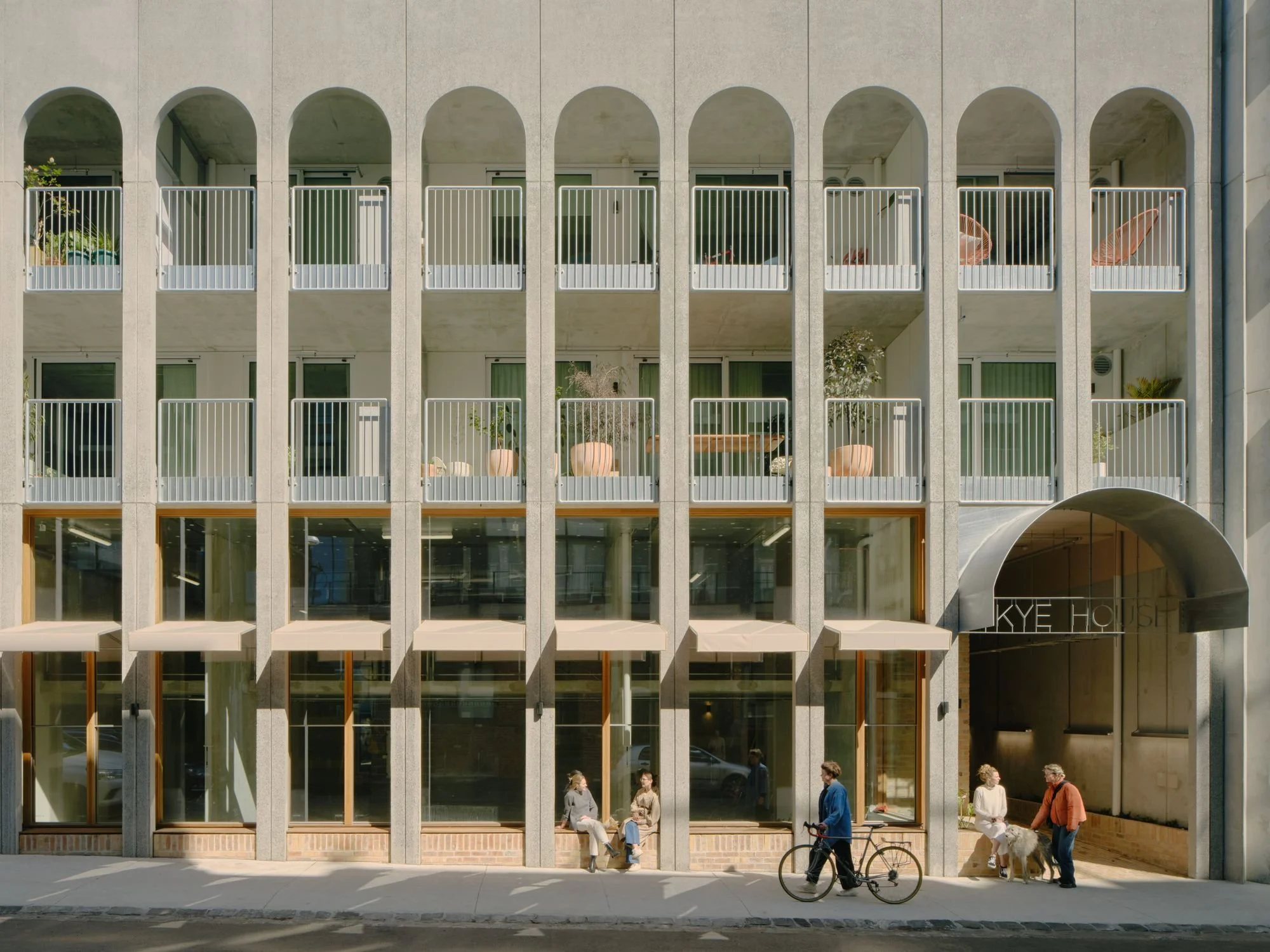
Concrete was the villain. Now it might be the answer, if we ask harder questions
When I was going through architecture school, concrete was taught as one of the worst materials environmentally, the embodied energy villain of the construction industry. The numbers backed it up then and still do. Cement manufacture is responsible for roughly 8 per cent of global CO2 emissions, and if the cement industry were a country it would be the third or fourth largest emitter on earth [1].
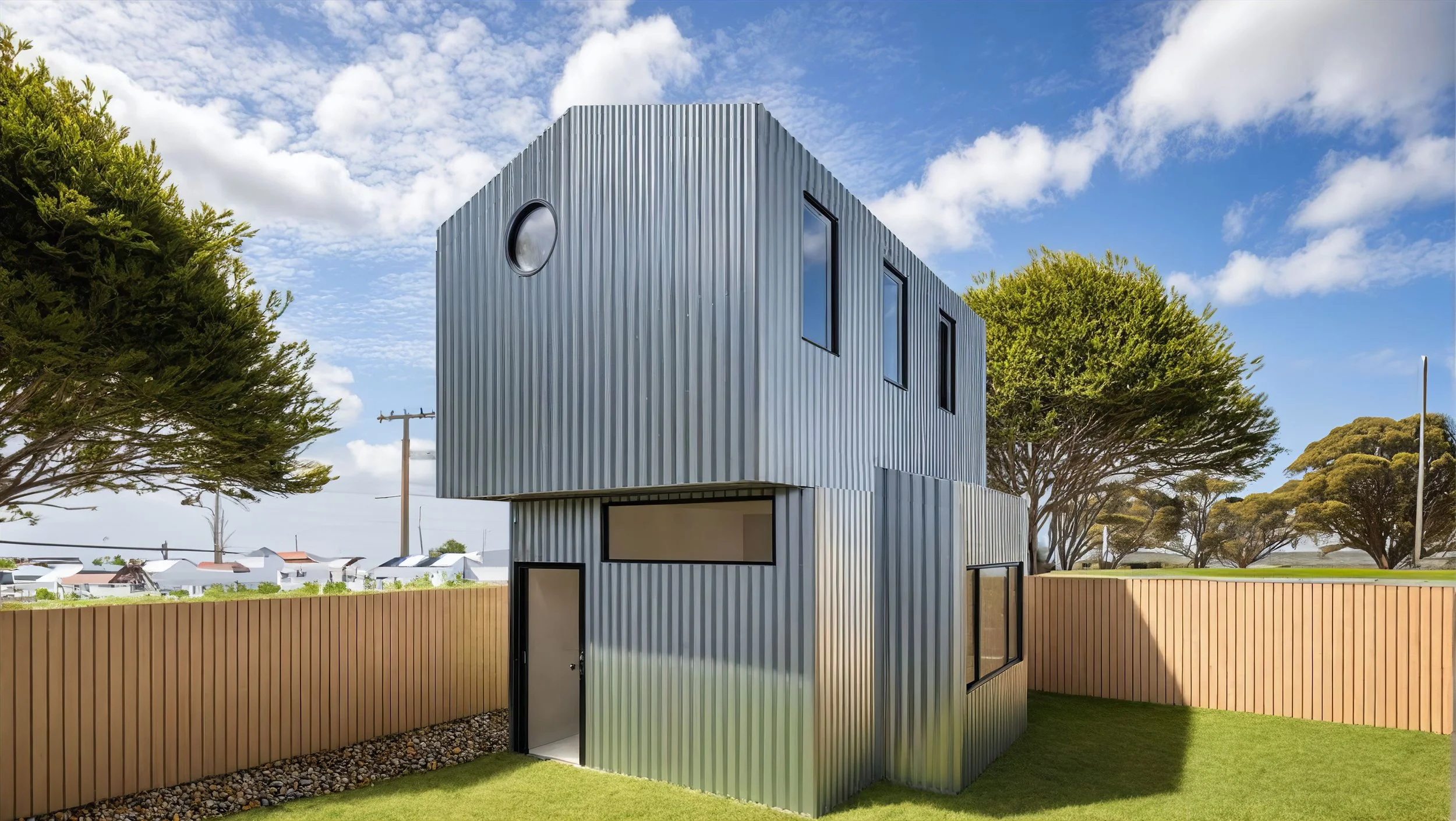
Granny flat architect Melbourne: what Bunnings pods can and cannot deliver
Melbourne startup Elsewhere Pods went from 10 enquiries a day to over 500 daily calls after launching its national partnership with Bunnings in late 2025 [1]. Two models are sold through Bunnings: a 2.7 x 2.4 metre studio at $26,100 and a 4 x 2.4 metre version at $42,900. Both are flat pack aluminium-framed kits designed for assembly in roughly 48 hours [1][2].
That demand signal deserves respect. Five hundred calls a day reflects genuine housing pressure from first home buyers, downsizers, regional landowners and investors. But the product these buyers are responding to is not what many of them think it is.

Energy-efficient living in Victoria: How Passive House design can cut your energy bills by up to 90 %
Passive House, also known as Passivhaus, is a quality-assured building standard focused on five pillars: high insulation, extreme airtightness to 0.6 ACH50 or better, high-performance windows and doors, mechanical ventilation with heat recovery, and thermal-bridge-free construction. It also sets comfort limits for summer so homes remain pleasant during hot spells. In Melbourne’s climate, those pillars deliver a snug, quiet home in winter and a cooler, steadier home in summer, with tiny heating and cooling systems doing the work

Clause 55 in 2025: What Architects and Planners Need to Know for Urban Infill Success
Clause 55, commonly known as ResCode, has long shaped the design of medium-density housing across Victoria. But in 2025, we’ve seen the most comprehensive overhaul of the code in years. With the introduction of the Townhouse and Low-Rise Code via Amendment VC267, Clause 55 has been restructured to better reflect the pressures and opportunities of contemporary urban development—especially in tight infill sites across cities like Melbourne.

The Role of Prefabrication in Sustainable Architecture
Prefabrication—often referred to as prefab—is changing the way we build. At its core, it’s a construction method where building components are produced in a factory, off-site, under controlled conditions, and then delivered to the final location for quick assembly. Unlike traditional construction, which is time-consuming and often weather-dependent, prefabrication offers greater precision, faster timelines, and far less waste.

Building Sustainably: Why Hempcrete is the Future of Eco-Friendly Architecture
In the ever-evolving world of sustainable architecture, materials that go beyond aesthetics to actively benefit the environment are becoming essential. Hempcrete is one such material — a bio-based solution that not only reduces a building's carbon footprint but also enhances thermal efficiency, air quality, and durability.