
Sustainable Design Consultation
Sustainable architecture is not an optional extra at Dadirri Architects. It is the foundation of every project we undertake. Our sustainable design consultation service applies sustainable architecture principles to help Melbourne homeowners and developers create healthier, lower-energy buildings through practical strategies from the earliest stages of design. We guide passive design, material selection, energy systems, and performance outcomes so your home works with its climate rather than against it.
Whether you are building a new sustainable house design, renovating, or exploring high-performance design targets like Passive House or net-zero, our sustainable architecture expertise will inform every decision.
What Is Sustainable Design?
Sustainable design is an approach to architecture that reduces environmental impact while improving comfort, health, and long-term running costs. It considers the full lifecycle of a building, from material sourcing and construction through to daily operation and eventual end of life.
At Dadirri Architects, sustainable architecture means designing buildings that are thermally comfortable without excessive reliance on mechanical systems, constructed from materials with low embodied energy and minimal toxins, powered by efficient or renewable energy systems, resilient to changing climate conditions, and healthy for the people who live and work in them.
Sustainable design is not about spending more. It is about making informed choices early, when they have the greatest impact. The relationship between design and sustainability is strongest when sustainability thinking is embedded from the first sketch.
When You Need This Service
Our sustainable design consultation is relevant when you are planning a new home and want to maximise comfort while minimising running costs, you are renovating and want to improve the thermal performance of an existing building, you are interested in Passive House, net-zero, or other high-performance design targets, you want to understand the sustainability options available for your site and budget, or you need energy compliance advice for NatHERS or Section J requirements.
Every sustainable house design benefits from early input. The further into the design process you are, the fewer options remain for meaningful sustainability improvements.
What We Optimise For
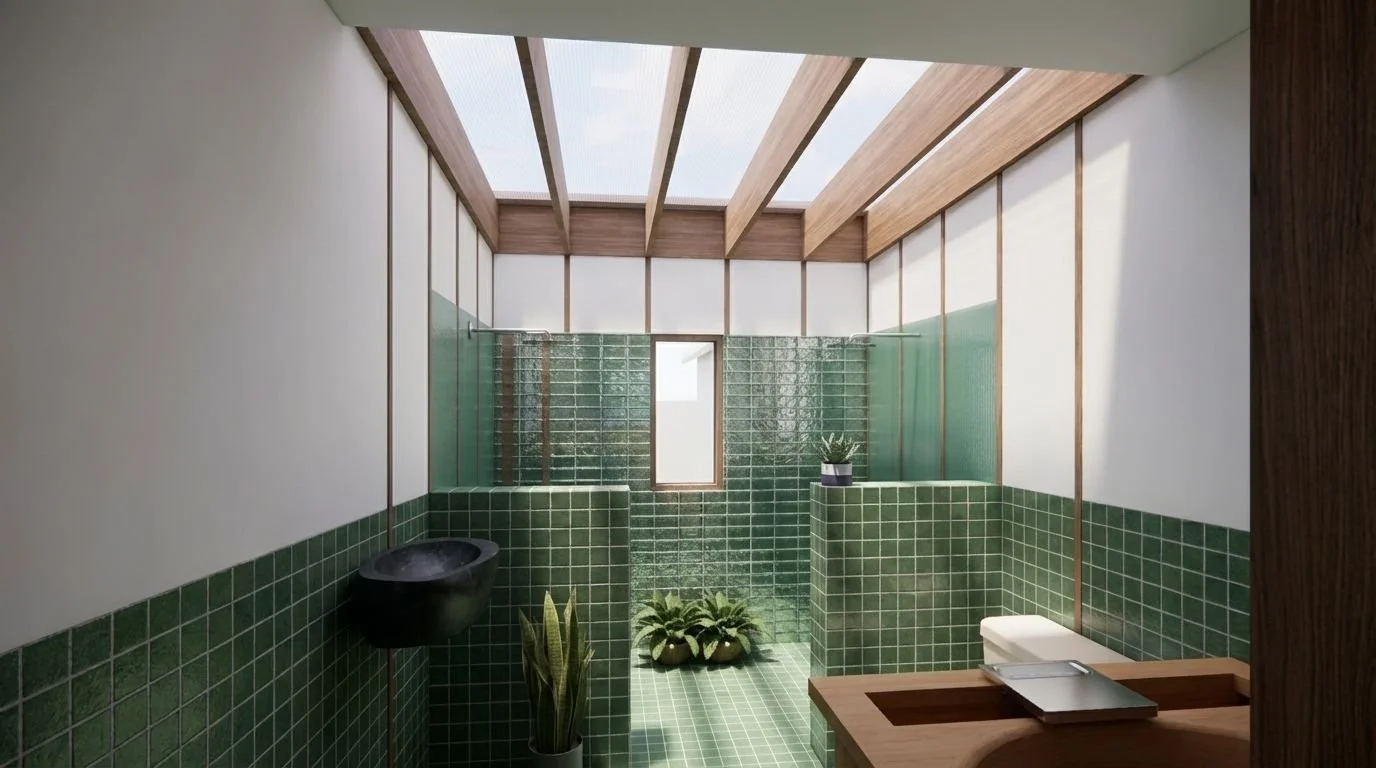
Our sustainable design consultation focuses on the areas that deliver the greatest benefit for your investment. These include thermal comfort (keeping your home warm in winter and cool in summer without high energy bills), indoor air quality (reducing exposure to volatile organic compounds and ensuring adequate ventilation), energy efficiency (minimising operational energy through passive design, not just technology), water management (reducing consumption and managing stormwater on site), and material health (selecting products that are durable, recyclable, and low in toxicity).
Every sustainable house design we produce balances these priorities with your budget and lifestyle goals. Our approach to design and sustainability ensures no single issue is optimised at the expense of others.
Passive Design Strategies
Passive design is the cornerstone of sustainable architecture. It uses the building’s orientation, form, and material properties to regulate temperature and light without mechanical systems.
We optimise solar orientation to capture winter sun and shade summer heat. We design for cross-ventilation to flush warm air and draw in cool breezes. We specify appropriate thermal mass to store and release heat at the right times. We plan window placement and sizing to maximise daylight while controlling glare and heat gain. And we detail the building envelope, including insulation, air sealing, and glazing performance, to minimise unwanted heat loss or gain.
These passive design strategies form the basis of every green design we deliver and are embedded in our sustainable architecture process from the first sketch. Passive design is the most cost-effective path to a high-performance design outcome.
Materials & Low-Toxicity Choices
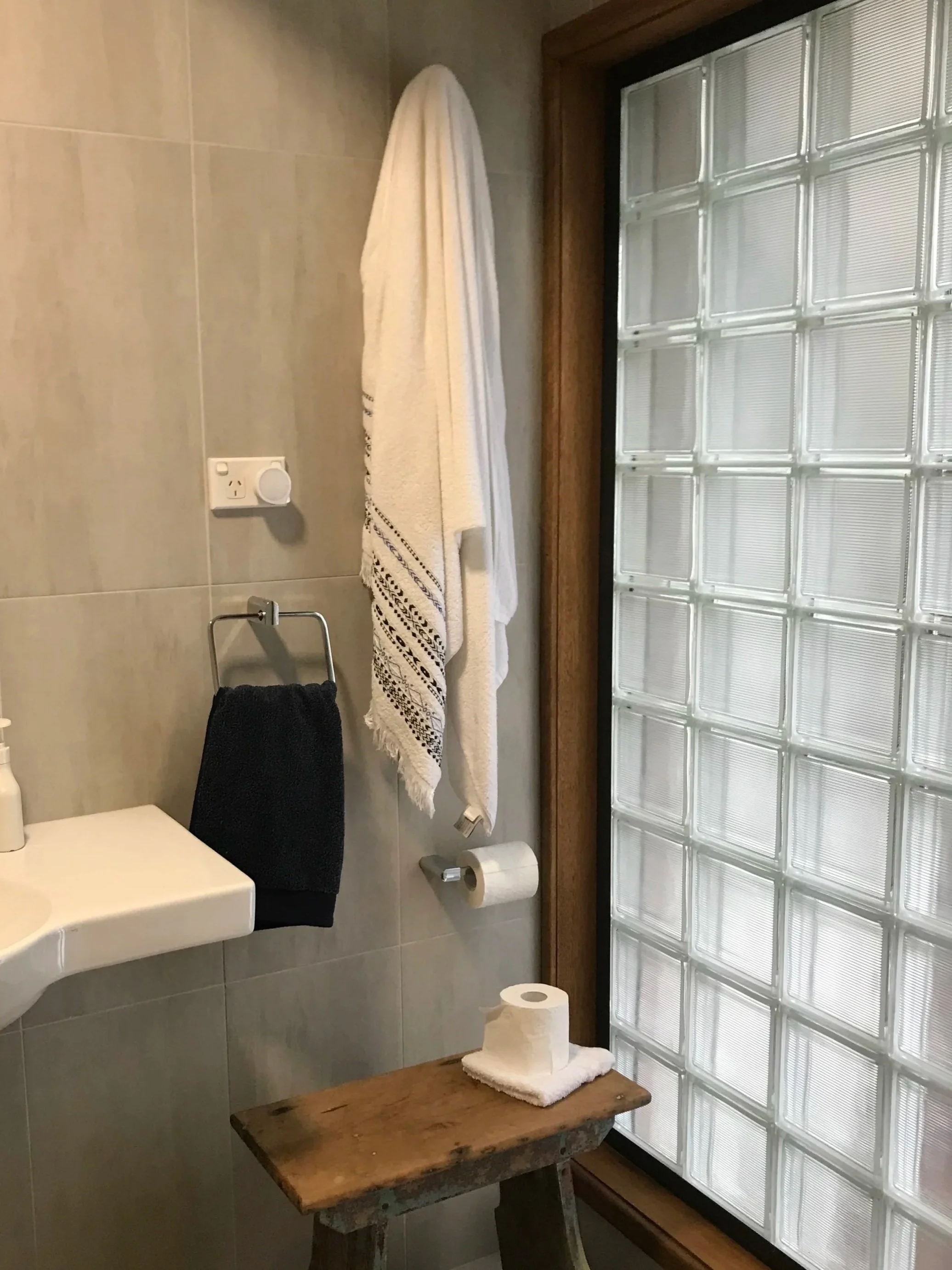
Material selection has a significant impact on both environmental performance and occupant health. We recommend materials with low embodied energy, sourced responsibly, and free from harmful chemicals where possible.
Our sustainable design consultation covers timber and engineered wood products from certified sources, low-VOC paints, adhesives, and sealants, natural and recycled insulation products, durable external finishes that age well and require minimal maintenance, and locally sourced materials where practical to reduce transport emissions.
We also consider the full lifecycle of materials, including durability, repairability, and recyclability at end of life. Good material choices are central to every sustainable house design.
Energy, Solar & All-Electric Homes
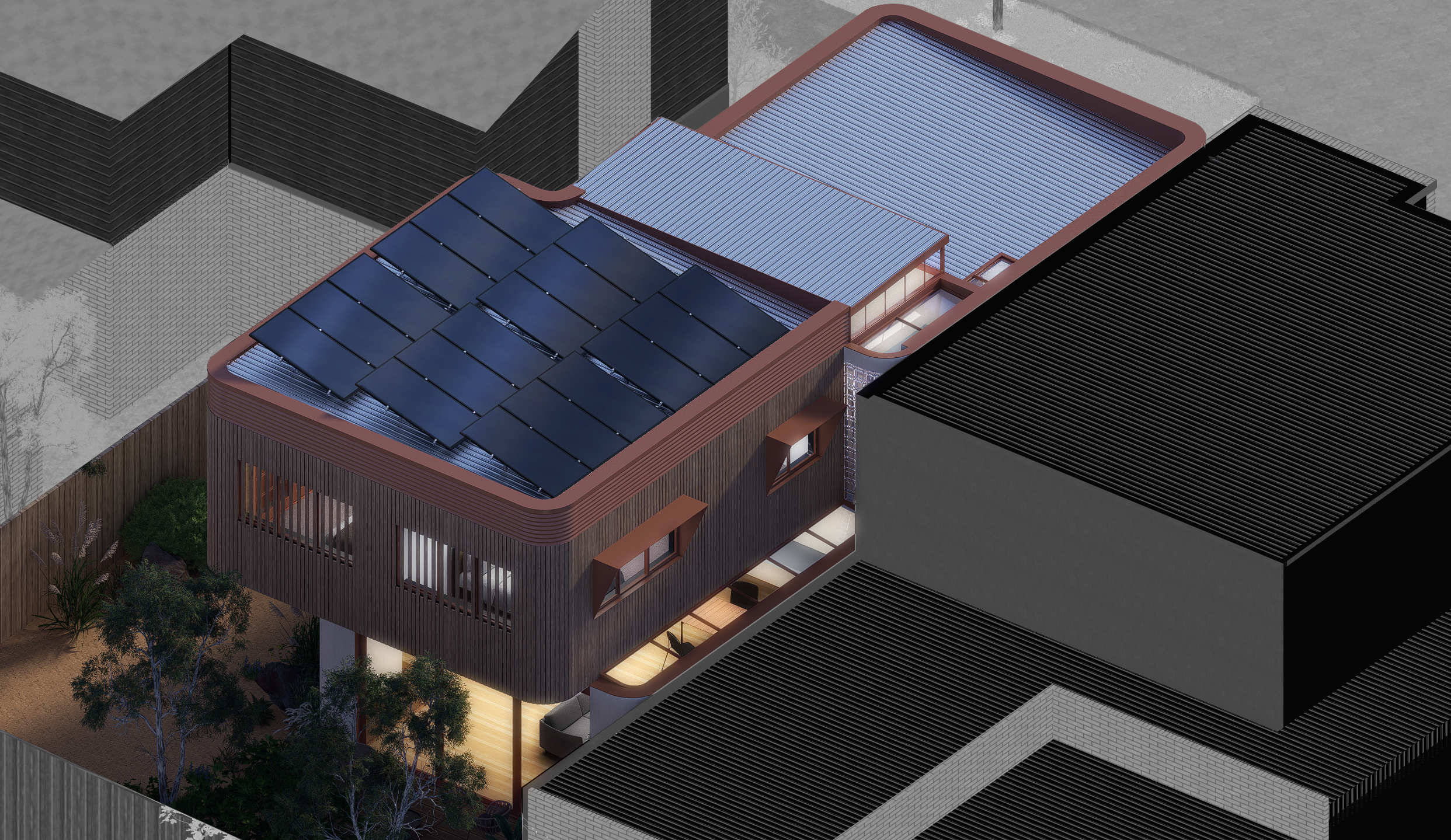
We design for all-electric homes wherever feasible, eliminating gas connections and reducing reliance on fossil fuels. Combined with rooftop solar, battery storage, and efficient appliances, an all-electric approach can dramatically reduce operational costs and carbon emissions.
Our sustainable architecture consultations assess your site’s solar potential, recommend appropriate system sizes, and integrate energy systems into the design so they are practical and aesthetically considered. For clients pursuing higher high-performance design targets, we coordinate with energy assessors and Passive House consultants to achieve certified outcomes.
What You’ll Receive
Our sustainable design consultation deliverables include a sustainability strategy report tailored to your site and brief, passive design analysis covering orientation, ventilation, and thermal performance, material recommendations aligned with your budget and performance goals, energy modelling or coordination with energy assessors, and advice on certification pathways such as NatHERS, Passive House, or Green Star where relevant.
Typical Timelines
Sustainable design input runs concurrently with the design process rather than as a separate phase. Initial sustainability strategy is developed during schematic design (four to eight weeks). Detailed passive design analysis and material specification occur during design development (four to eight weeks). Energy modelling and assessor coordination happen during documentation (six to ten weeks).
Early engagement gives us the most influence. Sustainable architecture advice applied during concept design is far more effective than retrofitting sustainability into a resolved scheme. Our sustainable architecture consultations are designed to be practical and budget-conscious, ensuring sustainable architecture delivers real value without unnecessary complexity.
Frequently Asked Questions
-
Not necessarily. Many passive design strategies cost nothing to implement. Higher high-performance design targets may involve additional upfront investment that is typically recovered through lower running costs.
-
Yes. Our sustainable design consultation can be applied to existing designs, identifying opportunities for improved performance within the constraints of a resolved scheme.
-
We design to achieve strong energy performance and coordinate with energy assessors to model outcomes. Specific ratings depend on many factors, and we provide realistic expectations rather than guarantees.
-
Green design is a broad term for environmentally considered architecture. High-performance design targets measurable outcomes such as energy use, airtightness, or thermal comfort. Our sustainable architecture approach combines both, applying sustainable architecture rigour to every project.
-
Ideally during schematic design, when passive design decisions about orientation and form are still flexible.
Are You Ready to Go Sustainable?
If you are planning a sustainable house design in Melbourne and want practical, integrated sustainability advice, talk to us. We will assess your site, discuss your goals, and show you how sustainable architecture can improve your home’s comfort, health, and long-term value.