
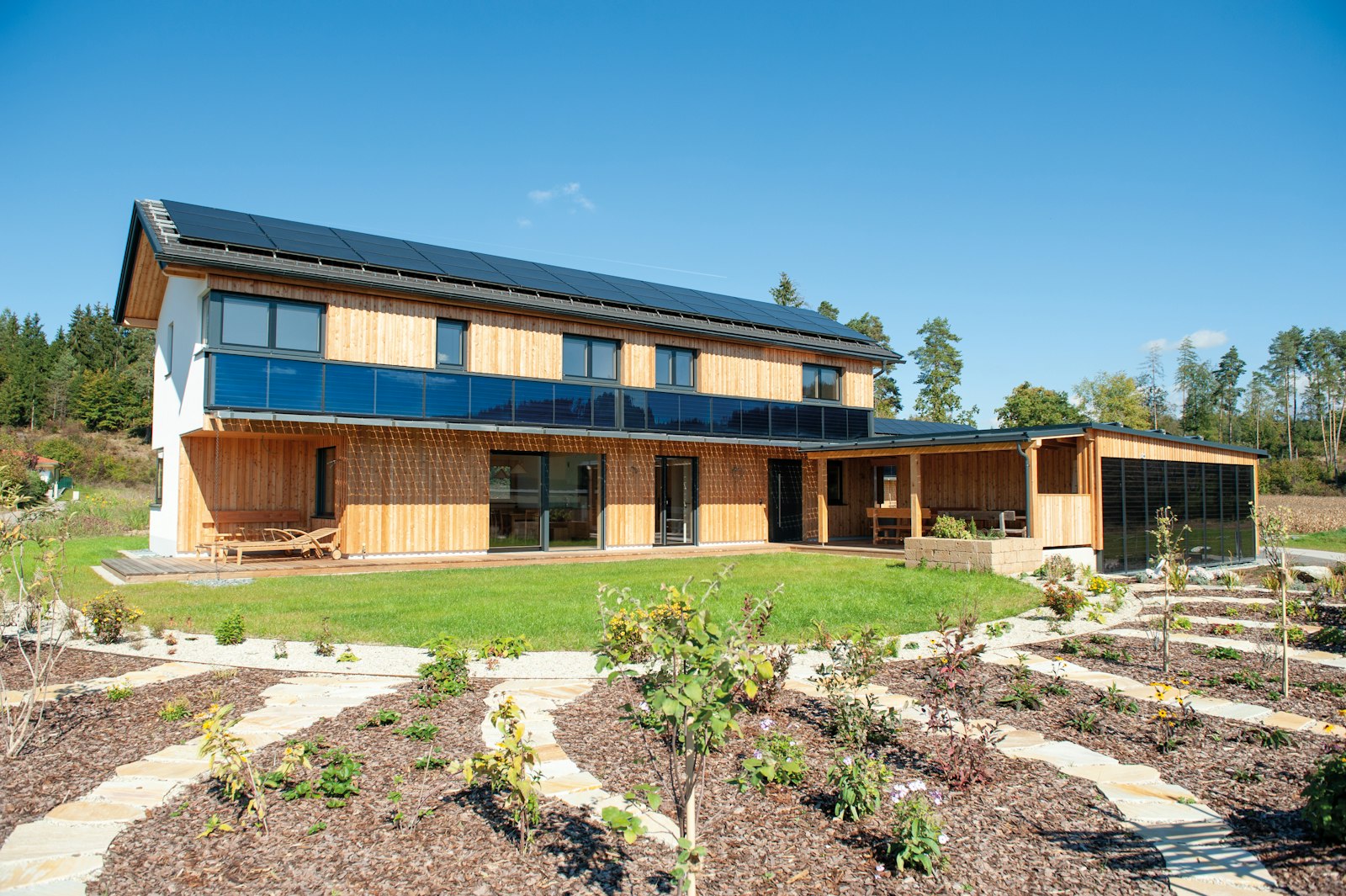
Sustainable Materials for Melbourne Homes: What to Specify and Why
A practical guide to sustainable building materials for Melbourne renovations and new homes, covering embodied carbon, material selection, Victorian climate performance, and what to ask your architect.
Key takeaways
- Embodied carbon, the emissions locked into materials before a building is even occupied, can account for up to 50% of a home's total lifetime carbon footprint. Material selection is one of the most powerful sustainability decisions you can make. [1]
- Since October 2023, all new homes in Victoria must achieve a minimum 7 star NatHERS rating. Whole of Home provisions now also address energy used by appliances, lighting, and hot water, making material and system choices more consequential than ever. [2]
- Sustainable materials do not always cost more. Recycled brick, FSC certified timber, and low VOC finishes are often cost neutral. CLT, hempcrete, and rammed earth carry a premium, but can reduce long term operating costs and improve liveability.
- Melbourne sits in Climate Zone 6, which demands materials that perform well across cold winters and warm summers. Thermal mass, insulation quality, and airtightness are driven by what you build with.
- As a signatory to Architects Declare, Dadirri Architects treats sustainable material specification as a core design responsibility, not an optional upgrade.
Choosing sustainable building materials for a Melbourne home is no longer a niche concern. It is a mainstream design and construction decision that affects your energy bills, your indoor air quality, your home's durability, and its long term value. Whether you are renovating a weatherboard cottage in Brunswick or building a new home in Northcote, the materials specified in your project will shape how that home performs for decades.
Yet material selection can feel overwhelming. The language is technical, the claims from manufacturers are hard to verify, and the balance between performance, aesthetics, and budget is genuinely difficult to navigate without professional guidance. This guide cuts through the noise. It explains what embodied carbon means in practical terms, walks through the sustainable materials that Dadirri Architects actually specifies on real projects, addresses the cost realities, and gives you a clear set of questions to ask any architect or designer you engage.
The goal is not to make you an expert in building science. It is to give you enough knowledge to have a genuinely informed conversation about the materials that will make up your home, and to understand why those choices matter.
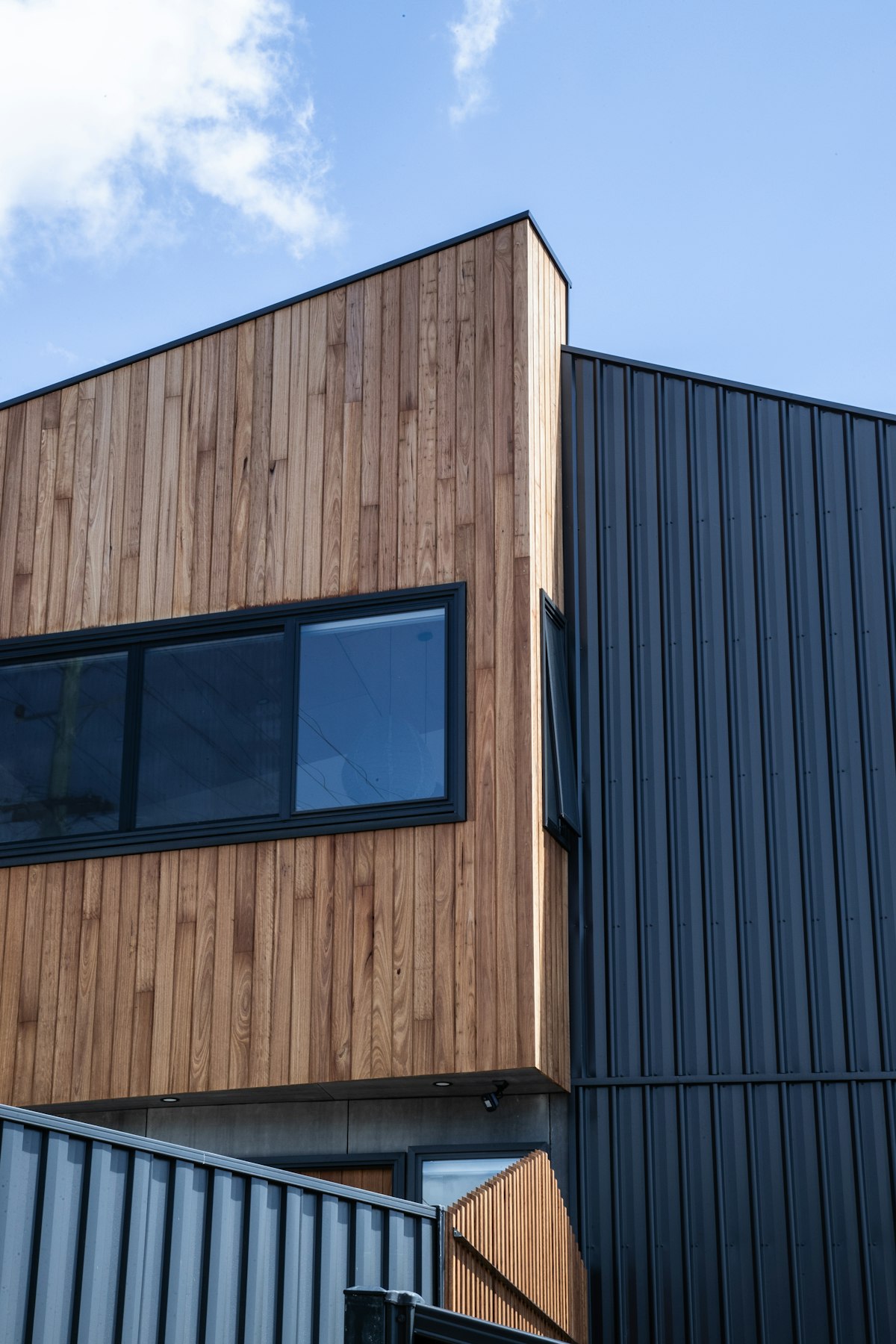
What Is Embodied Carbon and Why Should You Care?
Every building material carries a carbon cost before it reaches your site. The energy used to extract raw materials, manufacture products, transport them to Melbourne, and eventually demolish and dispose of them at end of life is collectively known as embodied carbon. This is distinct from operational carbon, which is the energy your home uses day to day for heating, cooling, lighting, and appliances.
For most of the 20th century, operational carbon dominated a building's lifetime emissions. Homes were poorly insulated and energy hungry, so improving operational performance was the clear priority. But as energy efficiency standards have risen (Victoria now mandates 7 star NatHERS for new homes), operational carbon has fallen. The relative share of embodied carbon has grown, and for a well designed, high performance home it can account for 50% or more of total lifetime emissions. [1]
This shift matters because embodied carbon is locked in at the point of construction. You cannot retrofit it away. Once concrete is poured, the emissions from its manufacture are already in the atmosphere. The only time to reduce embodied carbon is during the design and specification stage, which is precisely where an architect's material knowledge makes a measurable difference.
Think of it this way: operational carbon is like your electricity bill: you can reduce it over time by upgrading appliances or adding solar. Embodied carbon is like the carbon footprint of building the house itself: once spent, it cannot be reclaimed. Both matter, but only one can be addressed at the design stage.
The good news is that reducing embodied carbon does not require exotic technology. It often involves straightforward decisions: specifying recycled content in concrete, using locally sourced timber instead of imported steel, choosing recycled bricks over new ones, and avoiding unnecessary finishes. Many of these choices are cost neutral or close to it.
Sustainable Building Materials We Actually Specify
There is a difference between materials that sound sustainable in a brochure and materials that perform well in Melbourne's climate, are available from reliable suppliers, and can be built by local trades without heroic effort. The following are materials that Dadirri Architects has specified on real projects, assessed for performance, and found to deliver genuine environmental and liveability benefits.
Cross Laminated Timber (CLT)
CLT is an engineered timber product made from layers of sustainably sourced softwood, glued together at right angles to form large structural panels. It can replace concrete and steel in walls, floors, and roofs, dramatically reducing the embodied carbon of a building's structure. CLT stores carbon within the timber for the life of the building, effectively turning the structure into a carbon sink rather than a carbon source.
Beyond its environmental credentials, CLT offers excellent thermal performance, natural warmth and acoustic quality, and fast construction times because panels are prefabricated off site. CLT is well suited to Melbourne's Climate Zone 6, where thermal mass and insulation are both important. Australian manufacturers including XLam produce CLT from plantation grown timber, keeping supply chains short and reliable.
Recycled and Reclaimed Brick
Melbourne has a rich stock of reclaimed bricks from demolished buildings, and several manufacturers now produce new bricks using recycled content or carbon neutral firing processes using biomass fuel. Recycled bricks avoid the embodied energy of new clay brick manufacture (which involves high temperature kiln firing powered by natural gas) while retaining the durability, thermal mass, and aesthetic character that brick provides in Melbourne's streetscapes.
When specifying brick, Dadirri prioritises in this order: locally sourced recycled bricks first, then Australian made carbon neutral bricks, then standard Australian made bricks. Imported bricks carry significant transport emissions and are avoided unless no local alternative exists.
Hempcrete
Hempcrete is a bio composite material made from the woody core of the hemp plant (hemp hurd) mixed with a lime based binder. It is carbon negative in production: the hemp plant sequesters more carbon during growth than is emitted during manufacture. Once installed, hempcrete continues to absorb carbon dioxide through the ongoing carbonation of the lime binder.
Hempcrete provides excellent thermal insulation, natural moisture regulation (it breathes, reducing the risk of condensation and mould), and good acoustic performance. It is non toxic, fire resistant, and has a very long lifespan. The Hempcrete Townhouse in Parkville demonstrated that hempcrete can be used successfully in a multi storey residential project in Melbourne's inner suburbs, achieving outstanding thermal performance and indoor air quality.
Rammed Earth
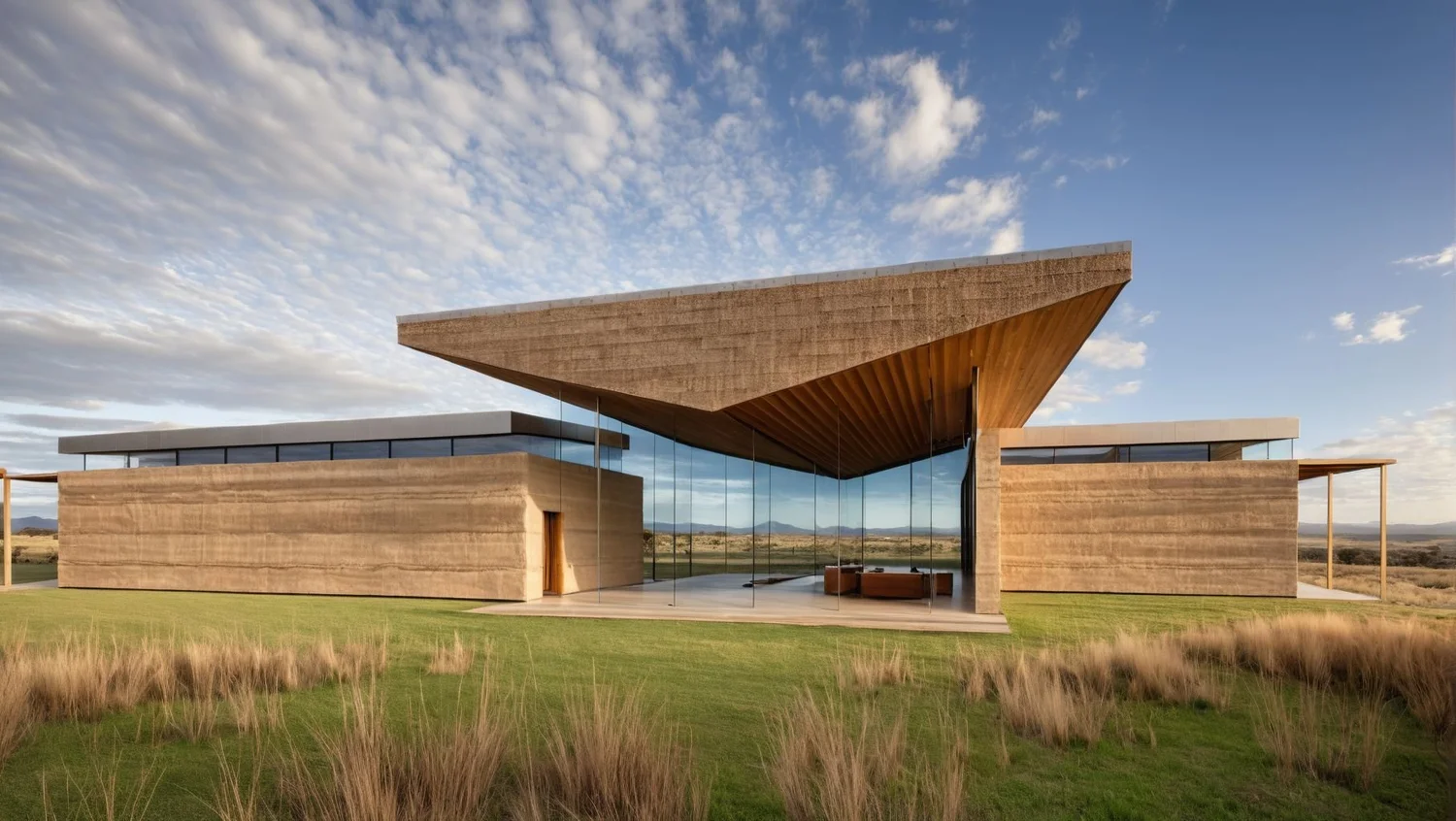
Rammed earth walls are constructed by compacting a mixture of gravel, sand, silt, and clay (often sourced from the building site itself) into formwork. The result is a dense, durable wall with exceptional thermal mass, which is particularly valuable in Melbourne's climate where day to night temperature swings are common. Rammed earth stores heat during the day and releases it slowly at night, reducing the need for mechanical heating.
Modern rammed earth can incorporate recycled concrete aggregate and supplementary cementitious materials to reduce its already modest embodied energy. It requires no applied finish, ages beautifully, and is fully recyclable at end of life. Rammed earth is best suited to projects where wall thickness is not a constraint and where the earthy, textured aesthetic is a desired design feature.
High Performance Glazing
Windows and glazed doors are typically the weakest link in a home's thermal envelope. In Melbourne's climate, where winter heating loads dominate energy consumption, specifying high performance glazing is one of the most impactful decisions for operational energy. Double glazed units with low emissivity (low e) coatings are now the baseline for 7 star NatHERS compliance. For projects targeting higher performance, triple glazing with argon or krypton gas fill and insulated spacers can reduce heat loss through windows by 60% or more compared to standard single glazing.
Frame material matters as much as the glass. Standard aluminium frames are poor thermal performers because aluminium conducts heat rapidly, creating a thermal bridge that undermines the insulating value of the glazing unit. Timber frames and uPVC (unplasticised polyvinyl chloride) frames both provide substantially better thermal performance and lower embodied energy than aluminium. Where aluminium is required (for bushfire compliance or coastal durability), thermally broken frames with an insulating polymer strip between the inner and outer frame profiles are essential.
The embodied energy of high performance glass is higher than standard glass, but this is offset many times over by the operational energy savings across the building's life. Window selection should be driven by orientation: north facing glazing benefits from solar heat gain coatings in Melbourne's climate, while west and east facing glazing should prioritise solar control to reduce overheating.
Low VOC Finishes and Natural Materials
Volatile organic compounds (VOCs) are chemicals released as gases from many conventional paints, adhesives, sealants, and composite timber products. They contribute to poor indoor air quality and are associated with respiratory irritation and long term health effects. Specifying low or zero VOC paints, adhesives with E0 formaldehyde ratings, and natural finish materials is a straightforward way to improve the health of your home's interior environment.
Dadirri specifies ultra low VOC paints (less than 1 g/L) for all internal walls, mechanical fixings over adhesives where possible (to improve recyclability at end of life), and natural timber finishes including hardwax oils and water based sealers. For engineered timber products used in joinery and cabinetry, all products must be E0 (no added formaldehyde) or NAF (no added formaldehyde) certified.
Recycled and Reclaimed Materials
Using recycled and reclaimed materials avoids the embodied energy of new manufacture entirely. Recycled steel, recycled concrete aggregate, reclaimed hardwood timber, and salvaged fixtures all contribute to lower embodied carbon while often providing superior character and craftsmanship compared to new alternatives.
The key is specifying recycled content early in the design process, not as an afterthought. Concrete with 30% or more fly ash or slag cement substitute, structural steel with verified recycled content, reclaimed timber floorboards, and recycled aggregate in landscaping are all readily available in Melbourne. Dadirri also prioritises FSC or AFS certified timber sourced from Australian plantation forests, mechanical fixings over adhesives (enabling future disassembly and material recovery), and design for adaptability so that the building can be modified rather than demolished when needs change.
Plywood as Interior Wall and Ceiling Lining
Plywood is an increasingly popular alternative to standard plasterboard for interior wall and ceiling linings, particularly in residential projects where warmth, texture, and a connection to natural materials are valued. Structurally graded plywood panels provide a finished surface that doubles as bracing, eliminating the need for a separate lining layer. The result is a warmer, more tactile interior that celebrates the material rather than concealing it.
Dadirri Architects is currently specifying plywood linings on the Butler Duplex in Armidale, NSW, where the natural timber finish complements a design language rooted in the surrounding rural landscape. The advantages are significant: plywood is lighter than plasterboard, easier to work with on site, more resistant to cracking from building movement, and can be sourced from FSC certified Australian plantations. When sealed with a low VOC hardwax oil or water based polyurethane, it delivers a beautiful, durable interior finish that avoids the embodied energy of gypsum mining and plasterboard manufacture.
The trade offs are worth understanding. Plywood linings have lower fire resistance than plasterboard (which is inherently non combustible) and may require additional fire treatment in certain building classifications. Acoustic performance is different to plasterboard; plywood can resonate at certain frequencies, so it may need acoustic backing in bedrooms or between dwellings. Cost is comparable to a premium plasterboard finish (set, sand, paint) but the long term maintenance is lower because the surface does not need repainting. For projects where the design intent embraces natural materials and a relaxed, handcrafted aesthetic, plywood linings are an excellent sustainable choice.
Concrete: Reducing Embodied Carbon in the Most Common Material
Concrete is the most widely used building material on earth, and standard Portland cement concrete carries some of the highest embodied carbon of any common building product. Cement manufacture alone is responsible for approximately 8% of global carbon emissions. However, concrete is also one of the materials where specifying differently can make the biggest impact, because lower carbon alternatives are readily available and often cost neutral.
Supplementary cementitious materials (SCMs) are the most practical step. Fly ash (a byproduct of coal fired power generation) and ground granulated blast furnace slag (GGBS, from steel making) can replace 30% to 60% of Portland cement in many structural concrete mixes without compromising strength. Specifying a minimum 30% SCM replacement should be standard practice. Geopolymer concrete goes further, replacing Portland cement entirely with an alkite activated binder. It is commercially available in Australia for some applications but is not yet mainstream for residential footings. Recycled aggregate concrete replaces virgin gravel and sand with crushed recycled concrete, reducing demand for quarried materials and diverting demolition waste from landfill.
When concrete is unavoidable (for footings, retaining walls, or ground floor slabs), specifying lower carbon mixes is one of the simplest and most impactful sustainability decisions. Ask your structural engineer to specify the lowest carbon concrete mix that meets the structural and durability requirements for each element.
Aluminium and the Case for PVC or Timber Window Frames
Aluminium has one of the highest embodied energy values of any common building material. Smelting bauxite ore into aluminium is extraordinarily energy intensive, and while recycled aluminium significantly reduces this impact, the majority of new aluminium products still rely heavily on primary production. This is particularly relevant for window and door frames, where aluminium is the dominant material in the Australian market.
Dadirri Architects specifies PVC (uPVC) or timber window frames where possible, as both carry substantially lower embodied energy than aluminium. High quality uPVC frames offer excellent thermal performance (no thermal bridging), low maintenance, and long lifespan, all at a competitive price point. Timber frames provide natural insulation, a beautiful aesthetic, and can be sourced from certified plantation timber. For projects that require aluminium (due to bushfire ratings, coastal exposure, or client preference), thermally broken aluminium frames with verified recycled content are specified to minimise both thermal bridging and embodied energy.
The same logic applies to metal panelling and cladding. While steel and aluminium panels are durable and fire resistant, their embodied energy is substantially higher than timber, fibre cement, or brick alternatives. Where metal is used, specifying products with high recycled content and ensuring they can be recycled again at end of life helps close the loop.
Metal Roofing vs Tile Roofing
Colorbond steel roofing is one of the more sustainable roofing options for Australian homes, despite being a metal product. It is significantly lighter than concrete or terracotta tiles (reducing the structural material required to support the roof), it is made from BlueScope steel with verified recycled content, it has a very long lifespan (typically 40 to 60 years with minimal maintenance), and it is 100% recyclable at end of life. The light colour options (Surfmist, Shale Grey) also provide high solar reflectance, reducing cooling loads in summer.
By contrast, concrete tiles are heavy (requiring more structural timber), brittle (leading to breakage and waste during installation), and have moderate embodied energy from cement manufacture. Terracotta tiles carry high embodied energy from kiln firing but offer superior longevity and thermal mass. For most Melbourne residential projects, Colorbond or similar steel sheet roofing delivers the best balance of sustainability performance, cost, durability, and design flexibility.
Resilient Flooring: Vinyl and Other Alternatives
Flooring choices carry both embodied carbon and indoor air quality implications. Ceramic and porcelain tiles are durable but energy intensive to manufacture (high temperature kiln firing), heavy, and difficult to recycle. Luxury vinyl plank (LVP) flooring has a significantly lower embodied energy than tiles, is lighter (reducing transport emissions), and modern formulations are phthalate free with low VOC emissions. Some manufacturers now offer products with recycled content and take back programmes for end of life recycling.
For the lowest embodied carbon, natural timber flooring from certified sources remains the benchmark, particularly reclaimed hardwood. Cork flooring is another excellent option: it is harvested from the bark of cork oak trees without felling the tree, making it a genuinely renewable material with natural acoustic and thermal insulation properties. Polished concrete (using the structural slab as the finished floor) eliminates an entire material layer and provides excellent thermal mass. The right choice depends on the room, the aesthetic, the budget, and the maintenance expectations of the homeowner.
The only time to reduce embodied carbon is during the design and specification stage. Once built, those emissions cannot be reclaimed. Dadirri Architects
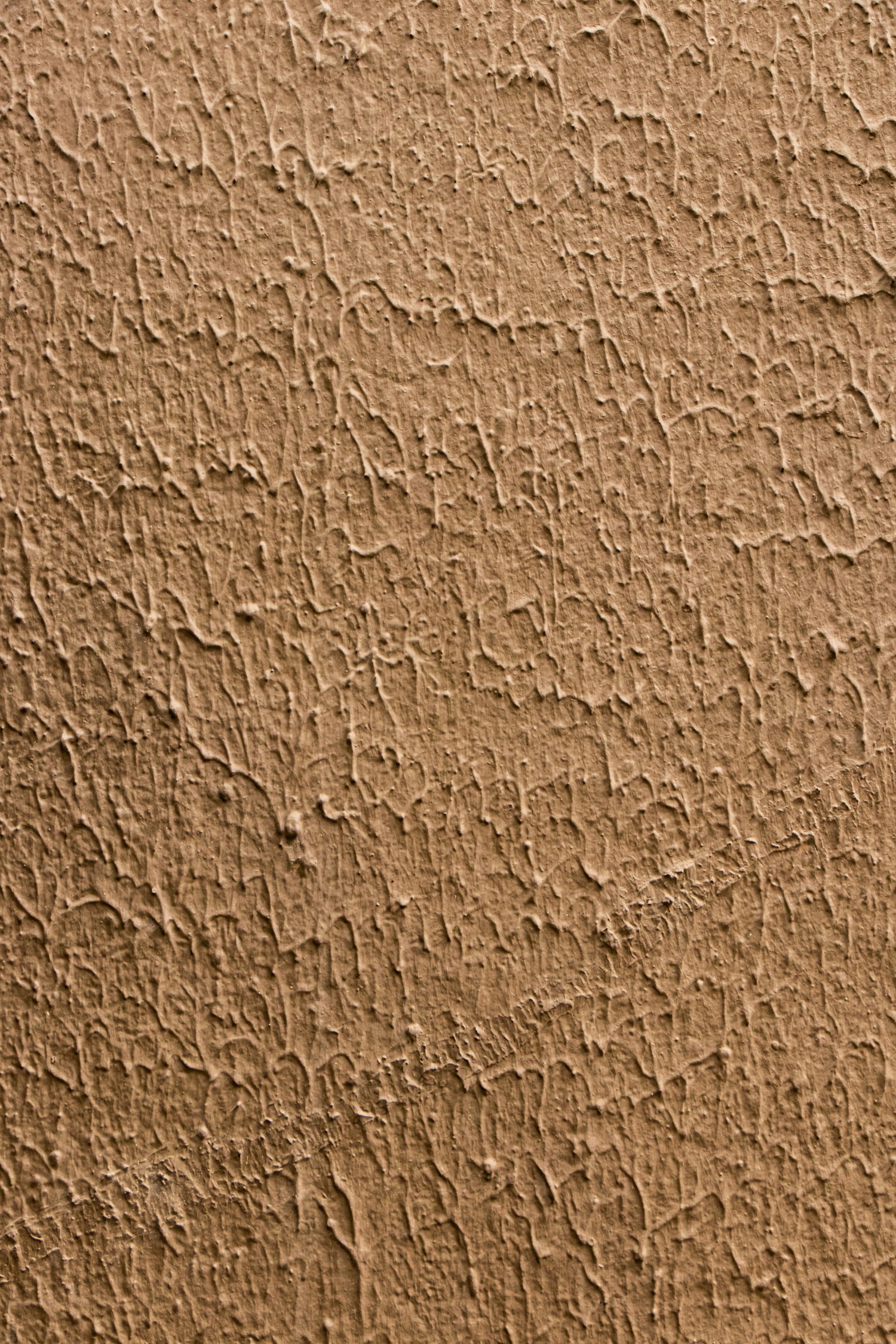
Circular Economy: Thinking Beyond the Build
Conventional construction follows a linear model: extract raw materials, manufacture products, build, and eventually demolish and send waste to landfill. A circular economy approach challenges every step of this process. It asks: where does each material come from, how long will it last, can it be maintained and repaired, and what happens to it at end of life? The goal is to keep materials in productive use for as long as possible and recover them when a building is modified or reaches the end of its useful life.
For residential projects, circular economy principles translate into practical design decisions that Dadirri Architects integrates from the earliest stages of a project.
Design for longevity. A building that lasts 100 years consumes its embodied carbon once. A building that is demolished and rebuilt after 30 years consumes it three times over the same period. Specifying durable, low maintenance materials, designing timeless rather than fashionable spaces, and building with robust construction details are the most powerful circular economy strategies available. Rammed earth walls, hardwood timber structures, and well detailed masonry all deliver multi generational lifespans.
Design for adaptability. Needs change. Families grow and shrink. Work patterns shift. A home designed so that rooms can be repurposed, walls can be relocated, and services can be accessed without demolishing finishes avoids the waste of gut renovations. Open plan structures with non load bearing internal partitions, accessible service routes, and flexible room configurations all extend the useful life of a building without requiring new materials.
Design for disassembly. When materials do reach end of life, can they be recovered? Mechanical fixings (screws, bolts, clips) allow components to be unbolted and reused. Adhesives and composite materials create permanent bonds that make separation impossible. Dadirri specifies mechanical fixings over adhesives wherever possible, avoids bonded composite products that cannot be separated for recycling, and details connections so that individual components (cladding panels, window frames, floor boards) can be removed without damaging adjacent materials.
Material passports and provenance. Knowing what a building is made of and where each material came from makes future reuse possible. A material passport is a record of every significant product used in a building, including its manufacturer, composition, and end of life pathway. While not yet standard practice in Australian residential construction, Dadirri maintains specification records that serve a similar function, enabling informed decisions when a building is eventually modified or deconstructed.
Closing the loop on common materials. Some materials have well established recycling pathways: steel and aluminium are infinitely recyclable, timber can be repurposed or chipped for biomass, and concrete can be crushed for aggregate. Others are harder to recycle: composite panels, laminated products, and treated timbers often end up in landfill. Specifying materials with known end of life pathways and avoiding products that are difficult to separate is a practical step any project can take. Reclaimed hardwood flooring, recycled brick, and salvaged fixtures all demonstrate that materials can have multiple productive lives, each one avoiding the environmental cost of new manufacture.
The lifecycle lens: every material has a lifecycle that extends from raw material extraction through manufacture, transport, installation, use, maintenance, and finally disposal or recovery. Sustainable specification considers this full lifecycle, not just the purchase price. A material that is cheap to buy but expensive to maintain, impossible to recycle, and destined for landfill after 15 years is not a sustainable choice, regardless of its green credentials at the point of sale.
Victorian Building Requirements for Sustainable Homes
Victoria's building regulations have tightened significantly in recent years, and material choices are now directly linked to compliance. Understanding the current requirements helps you see why sustainable material specification is not just an environmental preference but a regulatory reality.
7 Star NatHERS (mandatory since October 2023). The National Construction Code (NCC 2022) raised the minimum energy efficiency standard for new homes from 6 stars to 7 stars under the Nationwide House Energy Rating Scheme (NatHERS). This applies to all new Class 1 dwellings (houses and townhouses) and Class 2 sole occupancy units (apartments) in Victoria. Achieving 7 stars requires careful attention to insulation levels, glazing performance, thermal bridging, and airtightness, all of which are driven by material selection. [2]
Whole of Home provisions. Alongside the thermal shell requirements, the NCC 2022 introduced Whole of Home energy budget provisions. These set a cap on the total energy consumption of fixed appliances, lighting, hot water systems, and swimming pool and spa equipment. While not directly a materials standard, these provisions influence specification decisions around hot water systems (heat pump vs gas), lighting (LED as standard), and the overall systems integration that an architect coordinates.
Condensation management. The NCC 2022 also introduced mandatory condensation management requirements, recognising that as homes become more airtight and well insulated, moisture management becomes critical. Material choices that allow vapour permeability (such as hempcrete and lime based renders) can contribute to effective condensation management, while vapour impermeable materials require careful detailing to avoid moisture accumulation within wall assemblies.
What this means for you: if you are building or substantially renovating in Victoria, material choices are no longer purely aesthetic decisions. They directly affect whether your home meets the building code. An architect with sustainability expertise can integrate these compliance requirements into the design from the outset, rather than bolting on solutions after the floor plan is set.
The Cost Reality of Sustainable Materials
One of the most persistent myths about sustainable building is that it always costs significantly more. The reality is more nuanced than that, and a considered approach to material selection can achieve strong sustainability outcomes within a standard residential budget.
| Material | Cost vs Standard | Notes |
|---|---|---|
| Low VOC paint | Cost neutral | Major Australian brands (Dulux, Taubmans) now offer low VOC as standard across most product lines |
| FSC certified timber | Cost neutral to +5% | Readily available from Australian plantation sources. Specify early to avoid supply delays |
| Recycled brick | Cost neutral to +10% | Melbourne has strong supply of reclaimed bricks. Carbon neutral new bricks carry a modest premium |
| Double glazing (low e) | +15% to +25% vs single | Now required for 7 star NatHERS compliance in most orientations. Effectively the new baseline |
| CLT structure | +10% to +20% | Offset by faster construction times (prefabricated), reduced site waste, and lower cranage costs |
| Hempcrete walls | +15% to +30% | Premium reflects specialist trades and smaller supply chain. Reduces long term heating and cooling costs |
| Rammed earth walls | +20% to +40% | Labour intensive. Best value on projects where the aesthetic is desired and walls are a feature element |
| Recycled concrete aggregate | Cost neutral | Specify minimum 30% recycled aggregate and fly ash or slag cement substitute where structurally viable |
These figures are indicative for the Melbourne market in 2026 and will vary by project. The key insight is that a significant portion of sustainable material choices, including low VOC finishes, FSC timber, recycled content in concrete, and recycled bricks, are cost neutral or close to it. The premium sits with specialist structural materials like CLT, hempcrete, and rammed earth, which are typically specified on projects where their performance and aesthetic value justify the investment.
It is also worth considering whole of life cost. A home with high performance glazing, good insulation, and passive solar design will cost less to heat and cool every year of its life. Over 30 years, the energy savings from a well specified building envelope will significantly exceed the upfront premium paid for better materials. The same logic applies to durable, low maintenance materials: a hardwood timber deck that lasts 40 years without treatment is better value than a softwood deck that needs replacing every 15.
Melbourne Climate Zone 6: Why It Matters for Materials
Melbourne sits in NCC Climate Zone 6, characterised by cool winters, mild to warm summers, and significant day to night temperature variation. This climate profile has direct implications for which materials perform best and which are less effective.
Thermal mass matters. Materials with high thermal mass, such as concrete, rammed earth, brick, and hempcrete, absorb heat during the day and release it slowly overnight. In Melbourne, where winter nights regularly drop below 5 degrees, this thermal buffering reduces heating demand significantly. Thermal mass works best when combined with good insulation on the exterior and access to northern sun during winter.
Insulation is non negotiable. Melbourne's heating dominated climate means that insulation performance is the single most important factor in a home's energy efficiency. Specify insulation with maximum recycled content (polyester batts with recycled PET, cellulose fibre from post consumer waste paper) and ensure continuity of insulation: gaps, compression, and thermal bridges all undermine performance. For wall assemblies, consider insulated rammed earth, hempcrete (which combines structure and insulation in one material), or externally insulated lightweight systems.
Airtightness and vapour management. As homes become better insulated, uncontrolled air leakage becomes proportionally more significant as an energy loss pathway. Materials and construction details that improve airtightness (taped and sealed membranes, continuous insulation systems, high quality window installation) are essential for high performance homes. Equally, as airtightness improves, managing moisture vapour becomes critical. Breathable wall assemblies (using vapour permeable materials like hempcrete, lime render, and timber) reduce the risk of interstitial condensation, while impermeable assemblies require mechanical ventilation strategies.
Solar control for summer. While Melbourne's climate is heating dominated overall, summer heatwaves with temperatures above 40 degrees are increasingly common. Materials that help manage solar gain, including external shading devices, light coloured roofing with high solar reflectance, and thermally broken glazing with appropriate solar heat gain coefficients, are important for summer comfort and reduce the need for air conditioning.
Orientation drives material strategy. North facing walls benefit from thermal mass to capture and store winter sun. South facing walls need the highest insulation values. East and west facing walls and glazing need solar control to manage summer heat gain. Your architect should tailor material specification to each facade's orientation, not apply a one size fits all approach.
Questions to Ask Your Architect About Sustainable Materials
Whether you engage Dadirri Architects or another practice, these questions will help you assess whether your architect is genuinely committed to sustainable material specification, or simply paying lip service to it.
- What is your approach to reducing embodied carbon? A good answer will reference specific strategies: recycled content in concrete, FSC certified timber, local sourcing, and designing for disassembly. A vague answer about "being sustainable" is a red flag.
- Can you specify the embodied carbon of the primary materials? Architects with genuine sustainability expertise will be able to discuss embodied carbon in approximate terms and explain trade offs between materials. They may use tools like eTool or the EPiC database to quantify impacts.
- What insulation and glazing performance are you targeting? For Melbourne, expect R values for walls of at least R2.8 (higher for high performance homes) and double glazed low e windows as a minimum. If the architect defaults to "whatever meets code", they are designing to a minimum standard rather than optimising.
- How do you manage VOCs in the specification? Look for specific commitments: ultra low VOC paints, E0 formaldehyde rated engineered timber, mechanical fixings over adhesives, and attention to indoor air quality during and after construction.
- What certified or recycled products do you typically specify? FSC or AFS certified timber, GECA certified products, Green Star rated materials, and recycled content targets for concrete and steel are all indicators of a practice that takes material sustainability seriously.
- How do you handle material durability and end of life? Sustainable design considers the full lifecycle. Look for answers about design for longevity, ease of maintenance, ability to disassemble and recover materials, and avoidance of composite products that cannot be recycled.
- Are you a signatory to Architects Declare? Architects Declare is a voluntary commitment by Australian architects to address the climate and biodiversity emergency through their practice. Signatories have publicly committed to raising awareness, advocating for faster change, and integrating sustainability into all their work.
Frequently Asked Questions
What are the most sustainable building materials for a Melbourne home?
The most effective sustainable materials for Melbourne homes include FSC certified Australian plantation timber, recycled brick, cross laminated timber (CLT), hempcrete, high performance double or triple glazed windows, and low VOC paints and finishes. The best material choice depends on your specific project, site orientation, budget, and performance targets. A qualified architect can help match material selection to your priorities.
Does building with sustainable materials cost more?
Not always. Many sustainable choices, including low VOC paints, FSC certified timber, recycled concrete aggregate, and recycled bricks, are cost neutral or carry only a modest premium of 5% to 10%. Specialist materials like CLT, hempcrete, and rammed earth do carry higher upfront costs (15% to 40% premium), but these are often offset by lower operating costs, reduced maintenance, and improved durability over the building's lifetime.
What is embodied carbon and why does it matter?
Embodied carbon refers to the greenhouse gas emissions associated with extracting, manufacturing, transporting, and installing building materials. For a well insulated, energy efficient home, embodied carbon can represent 50% or more of the building's total lifetime emissions. Unlike operational energy, embodied carbon is locked in at the point of construction and cannot be reduced afterwards. Choosing low embodied carbon materials during the design stage is one of the most effective climate actions a homeowner can take.
What NatHERS rating do I need in Victoria?
Since October 2023, all new homes in Victoria must achieve a minimum 7 star NatHERS rating under the National Construction Code (NCC 2022). This applies to new houses, townhouses, and apartments. Achieving 7 stars requires careful attention to insulation, glazing, thermal bridging, and airtightness, all of which are influenced by material selection. Many architects targeting high performance homes aim for 8 stars or above.
Is hempcrete a good building material for Melbourne?
Hempcrete is well suited to Melbourne's Climate Zone 6. It provides excellent thermal insulation, natural moisture regulation (reducing condensation and mould risk), and good acoustic performance. It is carbon negative in production, non toxic, and fire resistant. The Hempcrete Townhouse in Parkville, designed by Dadirri Architects, demonstrated that hempcrete can be used successfully in a multi storey residential project in Melbourne's inner suburbs. The main considerations are the higher upfront cost (15% to 30% premium over conventional wall systems) and the need for specialist trades.
How do I choose between CLT, hempcrete, and standard construction?
The choice depends on your budget, site constraints, aesthetic preferences, and sustainability targets. Standard timber frame with recycled insulation and high performance glazing is the most cost effective route to a 7 star home. CLT offers faster construction, lower site waste, and a significant reduction in structural embodied carbon, with a 10% to 20% premium. Hempcrete delivers the best thermal and moisture performance with carbon negative credentials, at a 15% to 30% premium. Your architect can model the performance and cost implications of each option for your specific project.
What does low VOC mean and why should I care?
VOC stands for volatile organic compound. These are chemicals released as gases from many conventional paints, adhesives, sealants, and composite timber products. They affect indoor air quality and are associated with respiratory irritation and long term health effects. Low VOC products contain fewer of these chemicals. For paints, look for products with less than 5 g/L VOC content. For engineered timber, specify E0 formaldehyde ratings. These choices improve the health of your home's interior, often at no additional cost.
Can I use sustainable materials in a renovation, not just a new build?
Absolutely. Renovations offer excellent opportunities for sustainable material specification. Low VOC paints and finishes, recycled brick for extensions, FSC certified timber framing and flooring, high performance replacement windows, and recycled insulation can all be incorporated into renovation projects. In many cases, retaining and adapting existing structure rather than demolishing and rebuilding is itself the most sustainable decision, as it preserves the embodied carbon already invested in the original building.
What is circular economy thinking in building design?
Circular economy principles in building design aim to keep materials in productive use for as long as possible and recover them at end of life, rather than following the conventional linear model of extract, build, demolish, and landfill. In practice, this means designing for longevity and adaptability, specifying materials with known recycling pathways, using mechanical fixings instead of adhesives so components can be separated and reused, and maintaining records of what materials were used and where they came from. Every material has a lifecycle from extraction through to disposal or recovery, and sustainable specification considers this full lifecycle rather than just the purchase price.
Is plywood a good alternative to plasterboard for interior walls?
Plywood can be an excellent alternative to plasterboard for interior wall and ceiling linings, particularly in projects where a warm, natural timber finish is desired. It is lighter, more resistant to cracking from building movement, and avoids the embodied energy of gypsum mining. When sourced from FSC certified plantations and sealed with low VOC finishes, it is a sustainable choice. The main trade offs are lower fire resistance compared to plasterboard (which may require additional treatment) and different acoustic properties. Cost is comparable to a premium plasterboard finish when you factor in set, sand, and paint.
Thinking about sustainable materials for your project?
Every project is different. If you would like to discuss how sustainable material choices could work within your budget and brief, we are happy to have that conversation. There is no obligation and no fee for an initial discussion.
Book a Free Initial ConsultationWant this guide as a PDF?
We can send you a beautifully formatted PDF version of this guide, perfect for sharing with your partner or keeping on hand as you plan your project.
Send Me the Guide
References
- Architecture 2030, "Why the Building Sector?", architecture2030.org. Also: Pomponi, F. and Moncaster, A., "Embodied carbon mitigation and reduction in the built environment", Journal of Cleaner Production, 2016.
- Australian Building Codes Board (ABCB), National Construction Code 2022, Volume Two, Energy Efficiency Provisions, ncc.abcb.gov.au
- Breathe Architecture, "Guide to Sustainable Materials", 2024, breathe.com.au
- University of Melbourne, Environmental Performance in Construction (EPiC) Database, msd.unimelb.edu.au
- Architects Declare Australia, au.architectsdeclare.com
- Green Building Council of Australia, Green Star rating tools and certified products, gbca.org.au